Commuting On Hatteras
You’re stuck in traffic on a Tuesday morning. It’s 8:47 a.m. and you’ve moved two car lengths in the last six minutes. The guy in front of you is on his phone. Someone behind you just laid on the horn even though there’s nowhere to go. You’ll be late. Again.
Now picture this: you leave your house at 8:45. You’re at work by 8:52. No traffic lights. No gridlock. Just you, the road, and maybe three other cars.
That’s Hatteras Island on a Tuesday morning in October. Or February. Or any day that isn’t peak summer.
People move here for a lot of reasons. The beaches, the fishing, kiteboarding, surfing, the slower pace. But the thing that makes you stay? The thing that gets under your skin and won’t let go? It’s the way life here feels different. Not just on vacation. Every single day.
The Landscape
Hatteras Island is a 70-mile sliver of sand separating the Atlantic Ocean from Pamlico Sound. At some points it’s just a few yards wide. Ocean on one side, sound on the other, and you can walk between them in five minutes.
Cape Hatteras National Seashore protects most of the island. That means no high-rises. No boardwalks. No strip malls lining the beach. Just dunes, sea oats, and miles of coastline that looks the same as it did fifty years ago.
The beaches here aren’t like Virginia Beach or Myrtle Beach. They’re not packed shoulder-to-shoulder with umbrellas and beach chairs. You can walk half a mile and see maybe ten other people on many stretches of the National Seashore. In summer you’ll see more, but even then, there’s space.
The sound side is quieter. Shallow water, gentle waves, endless sky. Canadian Hole is famous for windsurfing and kiteboarding—consistent wind, protected water. Even if you’re not into that, it’s beautiful. Sunset over the sound beats anything you’ll see on a postcard.
Buxton Woods is one of the largest maritime forests on the East Coast. Maritime forests are rare—salt-tolerant trees and plants that survive in coastal conditions. Walk through Buxton Woods and you’re in a different world. Live oaks draped in Spanish moss, dense undergrowth, shade and quiet.
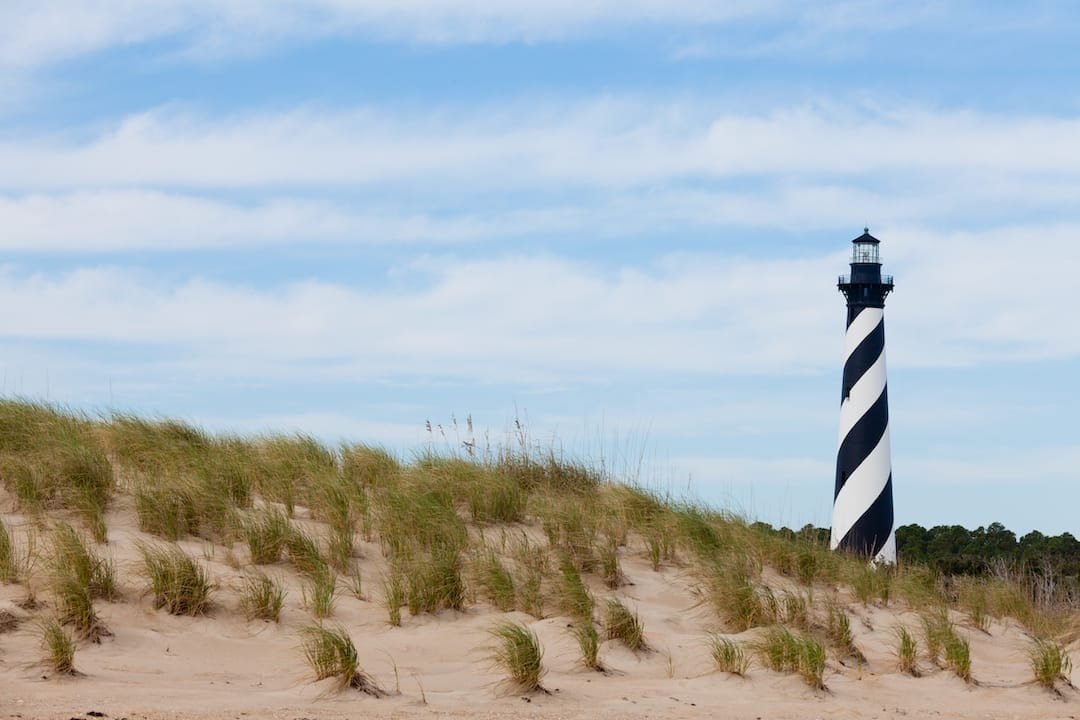
The Cape Hatteras Lighthouse sits in Buxton. Tallest brick lighthouse in North America. It’s been guiding ships since 1870. Climbed it? Your legs will remind you for two days. Worth it.
This landscape shapes how you live here. You’re surrounded by water and sky. Weather comes in fast—watch a storm roll across the sound and you’ll understand why people respect nature out here. It’s beautiful and it’s powerful and you can’t ignore it.
The Pace of Life
Life moves slower on Hatteras Island. Not lazy. Just slower.
You’re not rushing to get somewhere because there’s nowhere to rush to. The grocery store is ten minutes away. Work is fifteen minutes away. Everything’s close because there’s only so much island.
People stop and talk. You run into someone at Food Lion and you chat for ten minutes about fishing or the weather or whose kid made honor roll. Nobody’s in such a hurry they can’t spare five minutes.
Meetings start on “island time,” which means if someone shows up ten minutes late, nobody’s upset. Things get done. Just not on the rigid schedule you see in cities.
Summers are different. The island fills up with tourists, traffic gets heavier, restaurants are packed. But even summer on Hatteras Island is less chaotic than summer in Duck or Nags Head. You’re farther south, farther from the bridges, off the main tourist path.
And then Labor Day hits. The crowds thin out. By October, the island belongs to locals again. You can walk the beach in the morning and not see another person. Restaurants have tables available. The pace slows even more.
Winter is quiet. Wind picks up, water gets cold, some businesses close for the season. It’s not for everyone. But if you like solitude and weather and the ocean in its raw form, winter on Hatteras Island is something.
Spring comes slow. March is still cold. April warms up. By May, everything’s green again and the island’s waking up.
That rhythm—busy summers, quiet winters, shoulder seasons in between—it becomes part of you. You learn to appreciate the slow months because you know summer’s coming. You learn to tolerate summer because you know it ends.
Outdoor Recreation
If you don’t like being outside, Hatteras Island will bore you to death.
If you do like being outside, you’ll never run out of things to do.
Fishing: This is a fishing island. Surf fishing, pier fishing, offshore charters, sound fishing, kayak fishing—pick your style. Red drum, bluefish, flounder, speckled trout, king mackerel, tuna, marlin. People here fish like other people golf. It’s not just recreation, it’s culture.
The fall red drum run is legendary. October and November, big red drum move through the shallows. Anglers come from all over. If you live here, you just walk to the beach before work.
Surfing: The outer banks get good waves. Hatteras Island gets some of the best. Consistency isn’t like the West Coast, but when it’s on, it’s on. Hurricane swells bring serious surf. Winter nor’easters too.
Beginners have spots. Advanced surfers have spots. Everybody finds their break.
Kiteboarding and windsurfing: Canadian Hole is world-class. Steady wind, shallow water, easy launch. People travel from across the country to kite here. If you live on the island, it’s your backyard.
Kayaking and paddleboarding: The sound is perfect for it. Calm water, beautiful scenery, no boat traffic in most areas. Paddle to small islands, explore marshes, watch birds. You can fish from a kayak too.
Birding: Hatteras Island sits on the Atlantic Flyway. Migratory birds stop here in huge numbers. Pea Island National Wildlife Refuge is one of the best birding spots on the East Coast. Even if you’re not a serious birder, you’ll see pelicans, herons, egrets, ospreys, eagles.
Beach time: Just being at the beach. Walking, shelling, watching waves, reading a book, letting kids play in the surf. It’s free. It’s always there. You don’t get tired of it.
The outdoor life isn’t an occasional thing here. It’s daily. You’re outside because that’s what there is to do. And because it’s beautiful and because once you start living that way, you can’t imagine going back to a life where you’re inside most of the time.
The Community
Small town culture survives on Hatteras Island in a way it doesn’t most places.
Everybody knows everybody. Not literally, but close. You recognize people. You know what they do, who their kids are, where they work. You wave when you drive past someone’s house.
When a hurricane’s coming, people check on each other. Elderly neighbors get helped with shutters. Someone posts on Facebook asking if anyone needs a ride off the island, and three people respond. That’s just how it works.
Community events bring people out. The Watermen’s Festival in Hatteras Village celebrates fishing heritage. There’s a parade, demonstrations, local vendors. Not a big tourist thing—locals showing up for locals.
Cape Hatteras School serves kids from all seven villages. It’s small. Everyone knows everyone. Teachers live in the community. Your kid’s teacher might be your neighbor. That creates accountability and connection you don’t get in big school systems.
Volunteer work is huge. The fire department is volunteer. Community fundraisers, beach cleanups, school events—people show up. Not because they’re forced to. Because that’s what you do in a small community.
There’s a downside to this. Everyone knows your business. You can’t be anonymous. If you screw up, people know. If you’re going through something hard, people know. Privacy is limited.
For some people that’s suffocating. For others, it’s comforting. You’re not isolated. You’re part of something.
Local Culture and History
Hatteras Island has a fishing heritage that goes back generations. Commercial fishing built this place. Families have been working these waters for a hundred years.
Charter fishing is big now. Offshore boats go after marlin, tuna, wahoo. Inshore boats work the sound and nearshore waters. People make their living on the water.
You’ll see fish houses, docks, boats everywhere. That’s not decoration. That’s working infrastructure.
The villages each have their own character. Rodanthe, Waves, Salvo—small, quiet, residential. Avon is bigger, more central, the practical hub. Buxton has the lighthouse and slightly more tourist energy. Frisco is tiny. Hatteras Village is the southernmost point, ferry terminal, fishing fleet headquarters.
Lighthouse keepers, lifesaving station crews, shipwrecks—the history here is maritime. The Graveyard of the Atlantic isn’t just a nickname. Thousands of ships went down off these shores. Dangerous waters, shifting shoals, storms. The history is real and it’s recent enough that people still talk about it.
Old families still live here. People whose great-grandparents fished these waters. Names like Midgett, Austin, O’Neal—they’re woven into the island’s story.
Tourism changed things. The National Seashore brought visitors. Vacation rentals brought money. The economy shifted. But the culture underneath—the connection to the water, the respect for weather, the tight-knit community—that’s still there.
Four Seasons
Summer is what visitors see. Hot, humid, busy. Beach season. The island’s alive with people. Restaurants are packed. The water’s warm enough to swim without a wetsuit. Evenings are long and beautiful.
If you live here, summer is work. You’re busy because everyone else is busy. You avoid the beach on weekends because the crowds aren’t worth it. You go early morning or late evening when it’s quieter.
Fall is the best season. September through November. Water’s still warm in September. Air cools down. Crowds disappear after Labor Day. The fishing is incredible. Light gets softer. Everything feels more relaxed.
This is when you remember why you live here.
Winter is raw. December through February. Cold wind, gray skies, rough surf. Some people love it. Others just endure it. The ocean in winter is a different animal—powerful, moody, beautiful in a harsh way.
Not much happens in winter. Some businesses close. People hunker down. It’s quiet. Too quiet for some people.
Spring is slow to arrive. March is still jacket weather. April starts warming up. May is beautiful—mild temperatures, fewer bugs than summer, everything blooming. Fishing picks up. People start working on their houses, their boats, getting ready for summer.
Each season has its rhythm. You learn to appreciate all of them. Even winter, eventually.
Raising Kids Here
Kids on Hatteras Island grow up different.
They’re outside constantly. Learning to fish, to surf, to read weather. They’re independent in ways that suburban kids aren’t. They ride bikes around town. They walk to the pier. They have freedom because it’s safe enough to give it to them.
They know everyone. Teachers, neighbors, business owners. They can’t get away with much because someone will see them and mention it to their parents.
The school is small. Cape Hatteras School has maybe 300 students K-12. That’s tiny. Everyone knows everyone. Athletes play multiple sports because there aren’t enough kids to specialize. Class sizes are small. Teachers know every kid by name.
Small schools have advantages—individualized attention, tight community, nowhere to hide if you’re struggling. They also have limitations—fewer resources, fewer programs, less diversity.
For college-track kids, it’s fine. For kids with special needs or kids who need specialized programs, it’s harder.
Social life is limited. There aren’t many kids. The ones who are here, you grow up with them from kindergarten through graduation. That’s great if you get along. Harder if you don’t.
Entertainment options are minimal. No movie theater, no mall, no arcade. Kids make their own fun—beach bonfires, fishing, hanging out at the pier. Some parents love that. Others worry their kids are missing out.
Kids leave for college and many don’t come back. There aren’t enough jobs, housing is expensive, life is limited. That’s hard for families who’ve been here for generations.
But the kids who grow up here? They have a childhood that’s increasingly rare. Connected to nature, tight community, real freedom. That matters.
The Trade-Offs
Living on Hatteras Island requires accepting certain realities.
Isolation: You’re on an island. The only way off is a two-lane highway across bridges that close in storms. If there’s a medical emergency, you’re 45 minutes from a hospital. If you need a specialist, you’re driving to Nags Head or Elizabeth City. Target run? Hour and a half round trip.
Some people find that peaceful. Others find it claustrophobic.
Limited services: No major shopping, no big employers, limited healthcare, limited entertainment. What’s here is here. What’s not, you drive for or go without.
Hurricane risk: This is a barrier island. Hurricanes come through. Evacuations happen. You’ll leave your house not knowing if it’ll still be standing when you come back. Insurance is expensive. Stress is real.
Cost of living: Food costs more. Insurance costs more. Utilities cost more. You pay for the privilege of living here.
Limited job market: If you don’t work in tourism, fishing, healthcare, education, or trades, job options are thin. Remote work helps, but you need good internet, which isn’t always reliable.
Seasonal swings: Summer is chaos. Winter is dead. Shoulder seasons are nice but brief. The rhythm is extreme.
These aren’t small things. They’re real limitations that affect daily life.
What Kinnakeet Villas Adds
Living on Hatteras Island is one thing. Affording to live here is another.
Kinnakeet Villas makes it possible for people who want to be here but have been priced out. Teachers, nurses, people working regular jobs who can’t compete with vacation rental investors and second-home buyers.
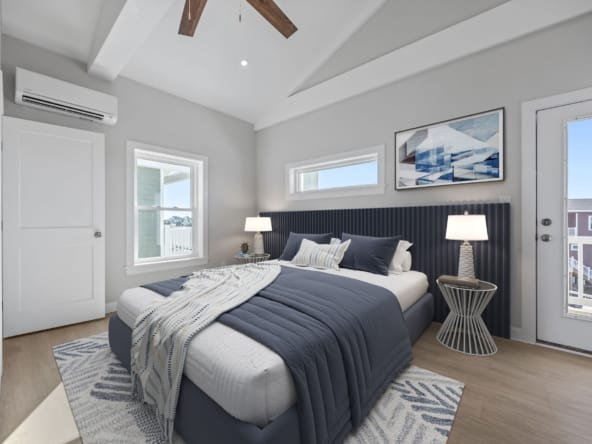
Homes under $400,000 in a residential community where your neighbors are staying. Not perfect. Still expensive. But reachable for people who thought homeownership here was impossible. Check out the new construction home models offered in Kinnakeet Villas.
If you’ve been considering a move to Hatteras Island, if the lifestyle appeals but the housing market has kept you out, Kinnakeet Villas is worth looking at.